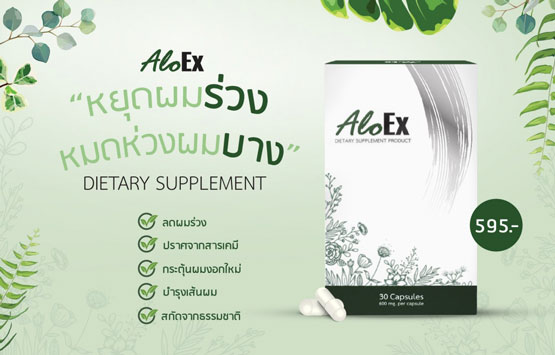
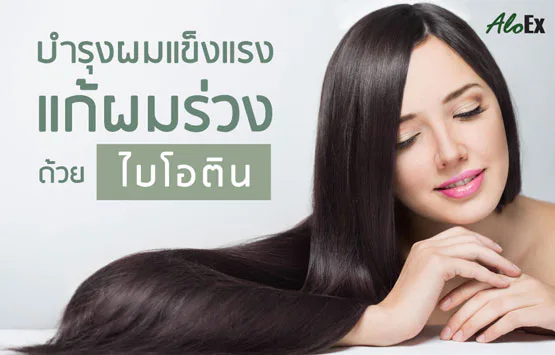
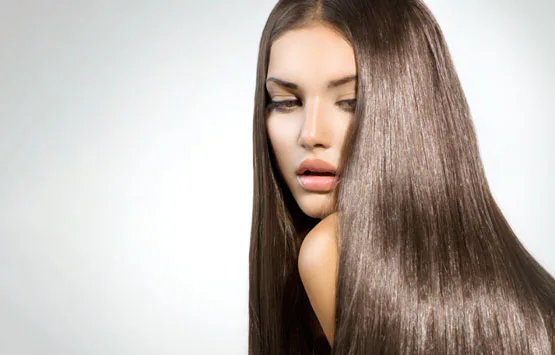
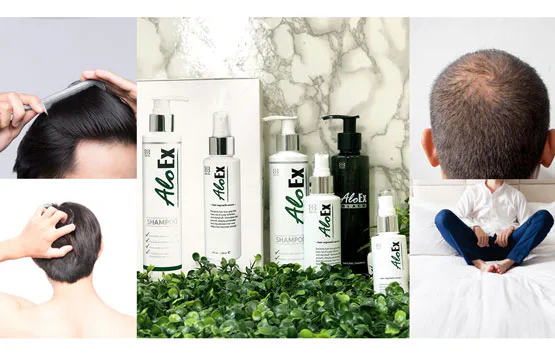
Keratin — anyone who loves their hair knows this word! Because most hair-beauty products on the market always include keratin as a key ingredient. This is because keratin benefits hair in countless ways, whether it's making hair thick and soft, moisturised, glossy, sleek, weightful, and looking vibrantly healthy. But before we dive deep into what keratin really is, why it is so good for hair, and how we can boost keratin in our hair, let's first get to know the structure of hair — our main character! Hair strands are dead cells with no life and no feeling, with different internal structures that determine the external appearance of each person's hair — whether colour, straight hair, curly hair, fine or thick strands, and so on. If you take a cross-section of a hair strand and magnify it, you will see that hair consists of 3 layers: – Outer layer (Cuticle): the outermost part, colourless, whose job is to protect the inner layers from external dirt and to prevent the hair from losing moisture. The cuticle makes up about 10% of the total hair strand and can be damaged by improper combing, heat exposure, and chemical treatments. When the cuticle is damaged, hair becomes dry, frizzy, brittle, thin, and eventually breaks and falls. – Middle layer (Cortex): the home of pigment — the cortex determines hair colour. It also houses proteins, keratin, and protein fibres, determining how soft or elastic your hair is, depending on the nutrients nourishing this layer. – Inner core (Medulla): the innermost part of the hair shaft that does not play a major role; it is formed from protein and fat and is mostly found in people with strong, thick hair. People with fine hair often lack a medulla. Keratin is a type of protein that serves as a key structural component of skin, nails, body hair, and human hair. In the hair strand, keratin resides in the Cortex layer — the thickest layer and the main structure of hair — making up 90% of its composition, arranged like overlapping fish scales (as often depicted in hair-product advertisements) and controlling substances that enter the hair cells. When the keratin in hair is damaged, the cuticle scales open, making hair look dry and damaged, brittle, prone to breakage, weightless, and frizzy, because damaged keratin means hair can no longer retain moisture. The main factors that damage keratin include heat exposure, chemical straightening, perming, and other chemical treatments. Besides external factors, there are also internal factors that cause insufficient keratin in hair, such as genetics or consuming too little protein, leaving the body without enough nutrients to nourish hair. This not only makes hair look dry and lifeless but is also a cause of hair fall, weak hair roots, and eventually thinning hair. Keratin treatment is an extremely popular option to restore life and silkiness to hair — whether having a keratin treatment done at a salon or buying keratin-infused hair treatment products to use at home — both help replenish protein back to the hair, giving it weight, softness, thickness, and shine (the main differences being price and quality). Moreover, keratin treatment can also be used as an alternative to hair straightening. Keratin treatment is therefore ideal for those who want straight, smooth hair without the flat, pressed look of permanent straightening, and for those who want soft, weightful hair. After having a keratin treatment at a salon, you should avoid shampoos containing SLS, as it is a harsh detergent unsuitable for hair. You should also not apply coconut oil as a hair mask after a keratin treatment, as it will cause the keratin to wash out much faster. How long keratin treatment lasts depends on the type of keratin the salon uses, but as a rough guide it will last around 6–8 months. Keratin treatment is indeed one option for beautiful, vibrant hair, but it mainly addresses hair problems such as dryness, brittleness, and frizz. For those whose hair fall is caused by a lack of keratin, we need to boost keratin from within the body by adding nutrients that support keratin production to each day's meals — because replenishing keratin from the outside alone is not enough to address hair fall. The nutrient that helps boost keratin for hair is Biotin (Biotin) — also known as Vitamin H or Vitamin B7 — which is an important component that strengthens hair and supports keratin function from the inside, helping to strengthen the keratin structure so that hair is strong from root to tip, reducing hair fall. However, for people with hair fall problems, supporting keratin function alone is often not enough. Our bodies still need many other nutrients, vitamins, and minerals to care for hair and the scalp comprehensively, keeping hair and the scalp strong, stimulating regrowth, and restoring vitality so hair is not frizzy, brittle, or prone to breakage — and AloEx Dietary Supplement addresses this perfectly. Not only does it contain Biotin to support keratin function, it also contains over 15 premium concentrated herbal extracts in appropriate amounts, packed into 1 capsule. Besides supporting keratin in hair, AloEx also helps address a full range of hair problems: ⭐ Nourishes hair roots and scalp for strength ⭐ Reduces hair breakage and fall ⭐ Stimulates new hair growth ⭐ Supports keratin in hair ⭐ Reduces acne and scalp inflammation ⭐ Reduces dry hair and split ends ⭐ Reduces premature greying