


You might be wondering which AloEx anti-hair-fall shampoo formula best suits your scalp and hair — and how each formula differs.
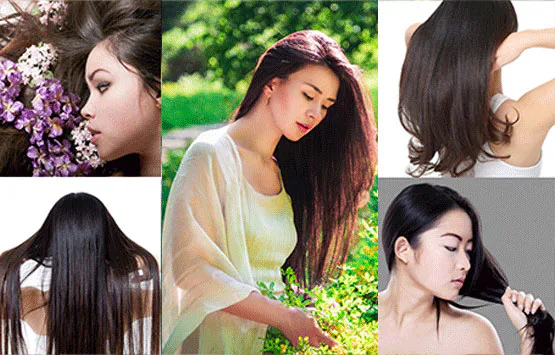
Techniques to grow hair longer without chemicals
Techniques to grow hair longer without chemicals


You might be wondering which AloEx anti-hair-fall shampoo formula best suits your scalp and hair — and how each formula differs.

Don't be discouraged if you're experiencing hair loss, mom! We're here to answer all your questions about postpartum hair loss. What causes it, how can you care for your hair, and is it dangerous? Let's find out with AloEx. What is postpartum hair loss? Postpartum hair loss is a condition that many new mothers experience after giving birth. It is characterized by temporary, excessive hair shedding, which can be observed as an abnormal amount of hair falling out. Mothers may lose as many as 300–500 strands of hair per day, which is significantly more than the typical daily loss of about 100 strands. Only strands per day. In some mothers who experience severe postpartum hair loss, this may lead to thinning hair or even baldness. Causes of Postpartum Hair Loss Postpartum hair loss in mothers can be caused by three main factors: Changes in estrogen hormones Changes in estrogen hormones in the body are the most significant cause leading to postpartum hair loss. Since estrogen hormones help nourish hair, making it stronger and able to grow longer, estrogen levels increase during pregnancy and then drop suddenly after childbirth. This causes the hair growth cycle to return to normal, leading to significant postpartum hair loss. In addition to having abnormally low levels of estrogen, which can lead to postpartum hair loss, there is also the hormone dihydrotestosterone (DHT), which contributes to hair loss. Furthermore, a deficiency in essential nutrients for scalp and hair care can result in postpartum hair loss, as mothers may not receive adequate nutrients to support hair growth. During pregnancy, a mother must allocate a portion of nutrients to nourish the baby, which can unintentionally lead to nutritional deficiencies. While these deficiencies may not cause noticeable hair loss in the mother, when combined with hormonal changes, particularly in estrogen levels, they can make hair more fragile, weak, and prone to shedding after childbirth.
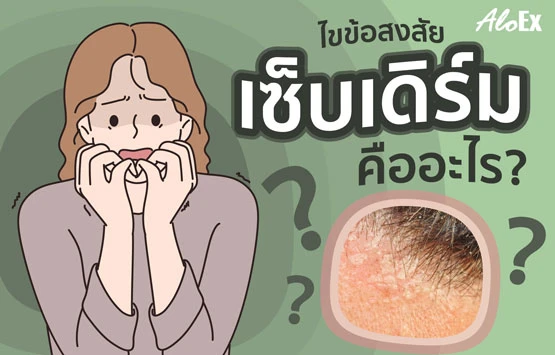
Seborrheic dermatitis: the chronic skin condition that can affect anyone! This condition not only damages beautiful skin, but also increases the risk of hair loss, thinning hair, and dandruff. Many people may be wondering what seborrheic dermatitis is and why it can lead to hair loss. Today, AloEx is here to answer your questions about this condition. Follow along in this article to learn more. Seborrheic dermatitis is a chronic inflammatory skin condition caused by inflammation of the sebaceous glands beneath the skin in various areas. This results in abnormal skin symptoms in areas with a high concentration of sebaceous glands, such as red, itchy rashes, scaly skin, and flaky patches. or dandruff, for example. Seborrheic dermatitis can frequently occur during the summer and winter seasons and is often found in children under 3 months old and adults between 30 and 60 years of age. Seborrheic dermatitis can occur in which areas? The symptoms of seborrheic dermatitis can be observed as follows: - Dandruff or flaky, scaly patches on the scalp, eyebrows, mustache, and beard. - In cases where the skin is frequently scratched or picked, it may lead to chronic wounds that weaken the skin, resulting in significant hair and hair loss. - Red, itchy rashes with white to yellowish flaky skin. Look at how shiny it is. The skin appears as a hard, greasy layer or scales covering the body. There is pain in the affected areas of seborrheic dermatitis. However, the symptoms of seborrheic dermatitis are very similar to those of other skin conditions. If you are unsure about your symptoms, you should consult a doctor for a diagnosis and treatment as soon as possible. The causes of seborrheic dermatitis […]
Techniques to grow hair longer without chemicals

12 hair-washing tips that really reduce hair fall

10 amazing herbs to keep hair strong, beautiful, and shedding-free

10 habits that cause hair loss — stop them if you don't want to go bald
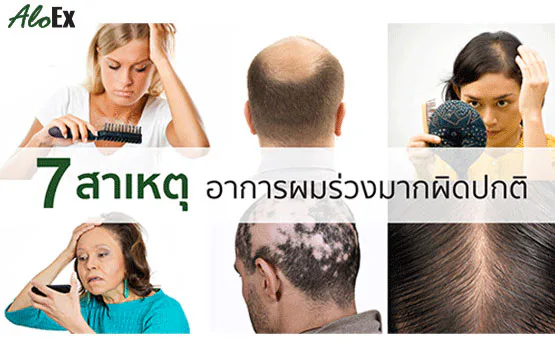
In nature, what reaches the end of its life withers to make room for the new — and human hair is no exception. As explained by Dr. Suwan Sri-thamma, Director-General of the Department of Medical Services.

No one wants to be "young in age but full of gray hair," right? It knocks your confidence and makes you look older than you are. But what can you do when gray hair appears before its time? Today, AloEx is here to explain the causes of premature graying and share tips on how to prevent it. Read on to find out more. What is gray hair? Gray hair — commonly known as "white hair" — is hair that has lighter color than normal, ranging from light gray all the way to white. It generally begins to appear around the age of 30 and gradually spreads across the entire scalp. Once a hair strand turns gray, it cannot return to a darker or black color. How does gray hair form? Gray hair forms when the hair and scalp cells naturally deteriorate with age, causing the melanin pigment-producing cells in the hair follicles to produce less pigment. The hair becomes lighter — gray or white — and looks dry, brittle, and dull, losing its former luster. That said, gray hair can also be caused by other factors. Causes of premature gray hair: Family genetics — the most impactful factor. Physical illness, especially chronic diseases or conditions related to the immune system, such as asthma, thyroid disorders, immunodeficiency, anemia, and diabetes. Environmental factors in daily life — such as stress, insufficient rest, and inadequate nutrition — increase the risk of premature gray hair and can also raise the risk of hair fall, thinning hair, and baldness. Smoking and drinking alcohol increase free radicals around the hair follicles, which block melanin pigment production and cause premature gray hair. Symptoms of premature gray hair: In general, gray and white hair begins to appear from around the age of 30, but for those with premature graying, it can start as early as age 20. In addition to gray hair, other hair problems may follow, such as hair fall, brittle hair, dandruff, or a flaking scalp. How to prevent and manage premature gray hair: In the past, people believed that pulling out a gray hair would trigger more gray hair in other areas. This has now been disproven. Many people regularly pluck their white hairs, and some dye their hair to cover grays — but doing so over a long period may lead to thinning hair. The buildup of chemical dyes can also irritate the scalp, causing hair fall, thinning, dandruff, and flaking. For those whose premature gray hair is caused by family genetics or illness, consulting a specialist doctor for treatment is the appropriate course of action. For those whose premature gray hair is due to daily lifestyle habits, the following behavioral changes can help prevent it: Reduce and quit smoking and drinking alcohol. Relax and manage daily stress through leisure activities and regular weekly exercise. Avoid using chemicals on your hair and scalp — such as hair coloring, hair straightening, and heat treatments — as they can irritate the scalp and hair strands. Regularly massage your scalp to stimulate blood circulation, strengthen hair, and encourage natural oil production that gives hair a healthy shine. Eat a balanced diet from all 5 food groups and supplement with hair-nourishing dietary supplements such as Biotin, iron, zinc, Vitamin C, or Vitamin E. Reduce hair fall, increase hair fullness, and say goodbye to premature gray hair with AloEx Dietary Supplement — just 1 capsule a day! A dietary supplement for hair and scalp that addresses all aspects of hair and scalp health from the inside out. It helps reduce hair fall, damaged hair, premature graying, and other hair concerns caused by hormonal changes at each life stage, natural hair follicle aging, nutritional deficiencies, and everyday chemical exposure. It contains over 15 concentrated natural extracts from 3 TMC natural power formulas — Traditional Medicine, Contemporary Medicine, and marine extracts — developed and researched by experts, with safety certification by the Thai FDA notification number 11-1-14153-5-0105 and GMP standards.
10 habits that cause hair loss — stop them if you don't want to go bald
In nature, what reaches the end of its life withers to make room for the new — and human hair is no exception. As explained by Dr. Suwan Sri-thamma, Director-General of the Department of Medical Services.
No one wants to be "young in age but full of gray hair," right? It knocks your confidence and makes you look older than you are. But what can you do when gray hair appears before its time? Today, AloEx is here to explain the causes of premature graying and share tips on how to prevent it. Read on to find out more. What is gray hair? Gray hair — commonly known as "white hair" — is hair that has lighter color than normal, ranging from light gray all the way to white. It generally begins to appear around the age of 30 and gradually spreads across the entire scalp. Once a hair strand turns gray, it cannot return to a darker or black color. How does gray hair form? Gray hair forms when the hair and scalp cells naturally deteriorate with age, causing the melanin pigment-producing cells in the hair follicles to produce less pigment. The hair becomes lighter — gray or white — and looks dry, brittle, and dull, losing its former luster. That said, gray hair can also be caused by other factors. Causes of premature gray hair: Family genetics — the most impactful factor. Physical illness, especially chronic diseases or conditions related to the immune system, such as asthma, thyroid disorders, immunodeficiency, anemia, and diabetes. Environmental factors in daily life — such as stress, insufficient rest, and inadequate nutrition — increase the risk of premature gray hair and can also raise the risk of hair fall, thinning hair, and baldness. Smoking and drinking alcohol increase free radicals around the hair follicles, which block melanin pigment production and cause premature gray hair. Symptoms of premature gray hair: In general, gray and white hair begins to appear from around the age of 30, but for those with premature graying, it can start as early as age 20. In addition to gray hair, other hair problems may follow, such as hair fall, brittle hair, dandruff, or a flaking scalp. How to prevent and manage premature gray hair: In the past, people believed that pulling out a gray hair would trigger more gray hair in other areas. This has now been disproven. Many people regularly pluck their white hairs, and some dye their hair to cover grays — but doing so over a long period may lead to thinning hair. The buildup of chemical dyes can also irritate the scalp, causing hair fall, thinning, dandruff, and flaking. For those whose premature gray hair is caused by family genetics or illness, consulting a specialist doctor for treatment is the appropriate course of action. For those whose premature gray hair is due to daily lifestyle habits, the following behavioral changes can help prevent it: Reduce and quit smoking and drinking alcohol. Relax and manage daily stress through leisure activities and regular weekly exercise. Avoid using chemicals on your hair and scalp — such as hair coloring, hair straightening, and heat treatments — as they can irritate the scalp and hair strands. Regularly massage your scalp to stimulate blood circulation, strengthen hair, and encourage natural oil production that gives hair a healthy shine. Eat a balanced diet from all 5 food groups and supplement with hair-nourishing dietary supplements such as Biotin, iron, zinc, Vitamin C, or Vitamin E. Reduce hair fall, increase hair fullness, and say goodbye to premature gray hair with AloEx Dietary Supplement — just 1 capsule a day! A dietary supplement for hair and scalp that addresses all aspects of hair and scalp health from the inside out. It helps reduce hair fall, damaged hair, premature graying, and other hair concerns caused by hormonal changes at each life stage, natural hair follicle aging, nutritional deficiencies, and everyday chemical exposure. It contains over 15 concentrated natural extracts from 3 TMC natural power formulas — Traditional Medicine, Contemporary Medicine, and marine extracts — developed and researched by experts, with safety certification by the Thai FDA notification number 11-1-14153-5-0105 and GMP standards.