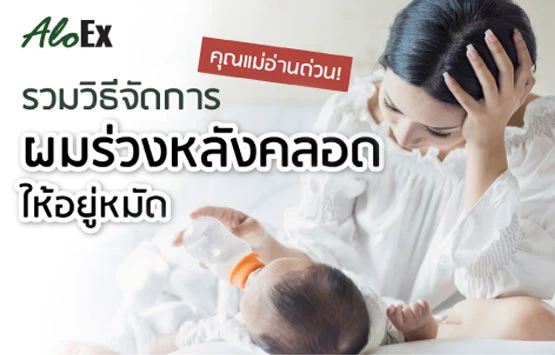
New mums, don't lose heart! Here are answers to every question you should know to prepare for postpartum hair loss. What causes postpartum hair loss, how can you care for and prevent it, and is postpartum hair loss dangerous? Today, let's find the answers together with AloEx.
What is postpartum hair loss?
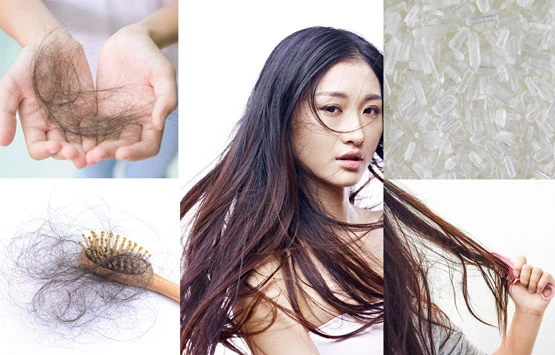
Postpartum hair loss is one of the conditions many new mothers face after giving birth. It is a temporary period of heavy shedding, noticeable from the unusually large amount of hair falling out. Mothers may lose as many as 300–500 strands per day, compared with the roughly 100 strands a day that is normal. In some mothers with severe postpartum hair loss, this can lead to thinning hair or even bald patches.
Causes of postpartum hair loss
Postpartum hair loss in mothers can arise from 3 main causes:
1. Changes in oestrogen levels
Changes in oestrogen in the body are the most important cause of postpartum hair loss. Oestrogen helps nourish and strengthen hair, allowing it to grow for longer periods. Oestrogen levels rise during pregnancy and then drop sharply after delivery, returning the hair cycle to its normal state and leading to large-scale postpartum shedding. Beyond abnormally low oestrogen causing postpartum hair loss, the hormone Dihydrotestosterone (DHT) also contributes to hair fall.
2. Nutritional deficiencies affecting scalp and hair health
Postpartum hair loss can result from a mother not receiving sufficient nutrients to support hair growth. During pregnancy, some nutrients are shared with the baby in the womb, causing unintentional deficiencies. Nutritional deficiency may not cause visibly obvious hair loss on its own, but combined with changes in oestrogen levels it makes hair more fragile and prone to postpartum breakage, with slower regrowth, a dry appearance, and generally poorer hair health.
3. Stress and insufficient rest
Stress and insufficient rest are also causes of hair loss. Most new mothers sleep irregularly due to caring for their baby around the clock, leaving them without adequate rest. When the body is deprived of rest, scalp cells function more slowly and new hair grows back more slowly. This also leads to accumulated stress, which raises cortisol levels in the body and directly weakens hair, making it more prone to falling out.
When does postpartum hair loss occur?
A mother's hair loss can occur during two periods: during pregnancy and after delivery. Postpartum hair loss is most commonly seen in the first 1–3 months after giving birth, though in some mothers it can last up to 6 months. However, postpartum hair loss gradually improves within 6–12 months after delivery.
Is postpartum hair loss dangerous?
Postpartum hair loss is not physically harmful to the mother, but mothers who experience severe postpartum hair loss may lose confidence due to thinning or bald patches, and it takes a long time to restore hair to its former fullness.
Can postpartum hair loss resolve on its own?
Postpartum hair loss is a temporary condition occurring during sudden hormonal changes in the body. It generally takes around 6–12 months for the body to adjust. Once the body adapts and hormone levels return to balance, postpartum hair loss will improve, with less shedding and new regrowth. Nevertheless, mothers who are concerned about postpartum hair loss can care for their hair and scalp in various ways — such as using anti-hair-fall shampoo and other hair-fall reduction products, eating foods that support hair nourishment, or cutting hair shorter to make it easier to manage.
How to manage postpartum hair loss
Eat foods that nourish the scalp and hair
Mothers experiencing postpartum hair loss should eat a balanced diet of all 5 food groups, with an emphasis on foods high in iron, zinc, protein, and biotin, to replenish missing nutrients and help nourish the scalp and hair from within.
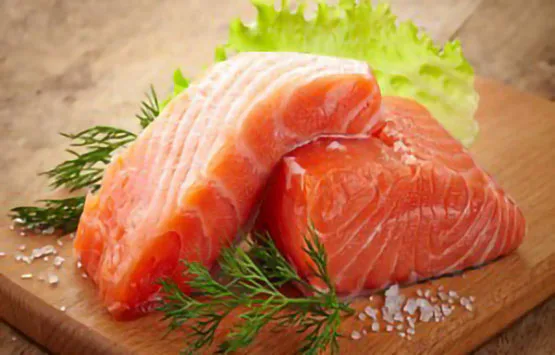
- Iron helps transport red blood cells and oxygen to nourish the scalp and hair. New mothers may be iron-deficient from blood loss during delivery, so they should eat iron-rich foods such as red meat, liver, dark green vegetables, fish, seafood, egg yolks, legumes, almonds, and peanuts.
- Zinc is a mineral the body cannot produce on its own; it helps the body function in balance and supports scalp and hair repair. Mothers with postpartum hair loss can eat red meat, oysters, seafood, fish, and legumes to increase their zinc intake. Generally, adults should receive at least 15 mg of zinc per day.
- Protein helps build keratin, the key structural component of the skin, scalp, hair, and nails — hair is made up of as much as 90% keratin. A protein deficiency can also lead to hair loss. Mothers with postpartum hair loss can eat egg yolks, leafy greens, tofu, yogurt, milk, butter, and cheese to increase their protein intake.
- Biotin is an important nutrient that helps strengthen hair and reduce hair fall from various causes. Biotin can be found in foods such as butter, milk, organ meats, egg yolks, grains, nuts, soybeans, bananas, and various vegetables. Pregnant mothers or mothers with postpartum hair loss should receive a minimum of 30–35 micrograms of biotin per day.
Avoid aggressive brushing and the use of heat or chemicals on hair
Aggressive brushing can cause already fragile and brittle hair to break and catch on the comb even more, and it also indirectly damages the scalp. Using heat — such as a hot hair dryer or straightener — and applying various chemicals to hair further damages the mother's hair.