







8 ways to handle chlorine — your hair's worst enemy

8 ways to handle chlorine — your hair's worst enemy

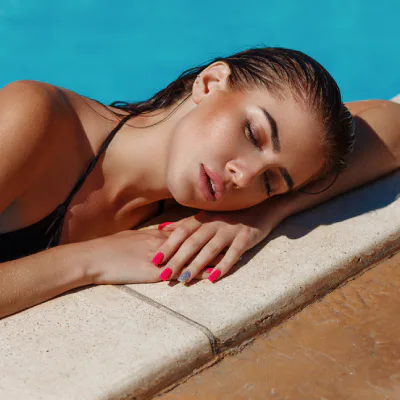
These days the weather in Thailand is sooo hot!!! But we can't escape anywhere; turning on the AC racks up the electric bill quite a lot. So the swimming pool is our way out — getting to soak to cool off is surely pretty blissful, right? But wait!!! Soaking in the pool for a long time, the chlorine in the water can damage our hair too. So today AloEx has easy techniques to help you handle chlorine, the nasty enemy, and keep it in check.

Chlorine can damage hair

Many people may not yet know that chlorine is also one of the causes of hair fall. Usually we tend to hear that chlorine ruins the skin, but actually this chlorine is the real arch-enemy of our hair, because chlorine is a type of chemical that goes in to corrode, damage and bleach the hair. If we soak for a long time, the protein in our hair gets destroyed by this substance until the hair color changes, the hair isn't strong, becomes brittle and breaks easily. If you observe your hair right after coming out of the pool, you'll clearly see that the hair is very hard and dry. In bad cases the hair may even fall out.

But if you want to swim yet don't want your hair to be harmed, come this way… because today we've brought Tips to prevent hair damage from chlorine to share.

1. Coat your hair and rinse it before getting into the pool

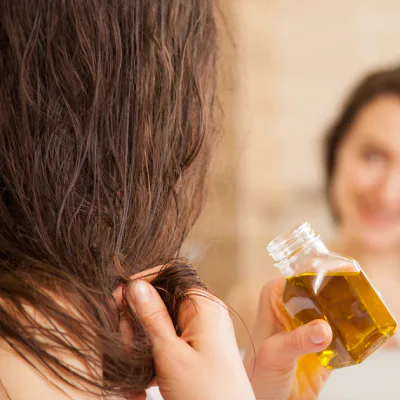
Coat and rinse hair before entering the pool

Every time before getting into the pool, we recommend using a hair-coating product or conditioner first, such as coconut oil, because the oil won't wash off when you get in the water. And importantly, don't forget to wet your hair before getting into the pool, because it makes it harder for chlorine to penetrate the hair.

2. Don't be lazy — absolutely wear a swim cap

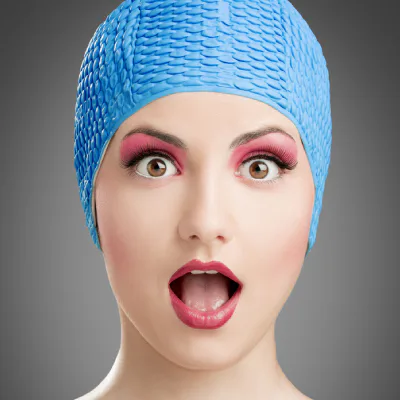
Don't skip the swim cap — always wear one

I know many of you ladies don't like wearing a swim cap — swimming with hair flowing freely in the pool like a Korean heroine is way cooler, and sometimes the cap makes your face look funny. But ladies, a swim cap is one of the best helpers to protect hair from chlorine, because it helps prevent chlorine from touching our hair. So it's indispensable, I'm telling you!! Plus when you come out of the water you won't have to fear hair covering your face like a Sadako ghost.

3. No matter how hot it is at midday, don't get into the pool

No matter how hot it is at noon, don't get into the pool

This point is very important. No matter how hot it is, no matter how much you want to play in the water, you must endure it, because midday is when UV rays are at their most intense, and UV rays stimulate our hair cuticle to open. When we get into the water while our cuticle is open, get ready to take chlorine full-on, ruining the hair without realizing it.

4. Bathe and wash your hair immediately upon coming out of the pool

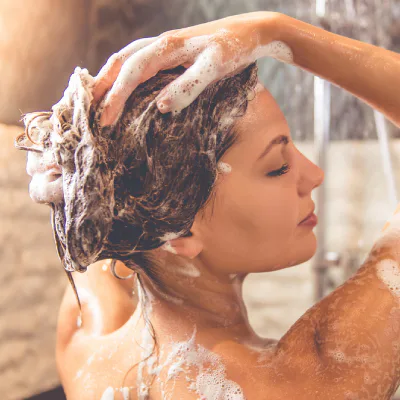
Shower and wash hair immediately after leaving the pool

After coming out of the pool, you shouldn't let more than 15-20 minutes pass; you should rush to the bathroom to bathe and wash your hair immediately, to remove the chlorine remaining on the body. So you must hurry and wash your hair clean. Importantly, don't make it worse with chemicals — so don't forget to choose a chemical-free shampoo for strong hair that doesn't break and fall out easily.

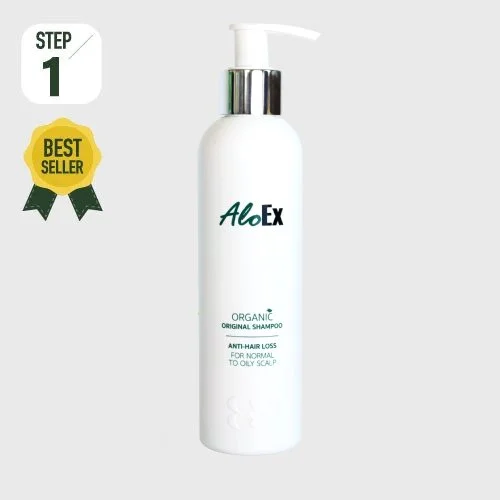
5. Choose a suitable shampoo

Choose the right shampoo

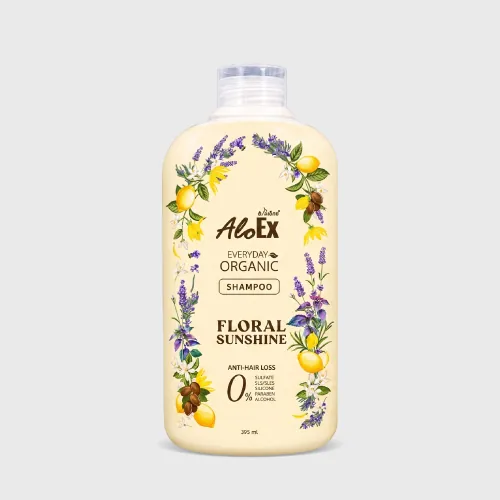
Choosing a shampoo is important too — whether a shampoo that helps prevent hair damage from chlorine or a shampoo that helps nourish hair and reduce hair fall, this type of shampoo can help a lot. Because after our hair has been in contact with chlorine, the hair gets damaged until it's dry and very fragile. So choosing a shampoo for the health of our hair is very important, such as a shampoo specifically for removing chlorine, or a shampoo rich in natural extracts, both safe and helping nourish the scalp and hair from root to tip.

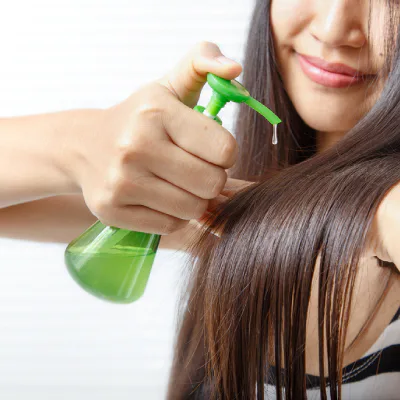
6. Use a serum to nourish hair & reduce hair fall

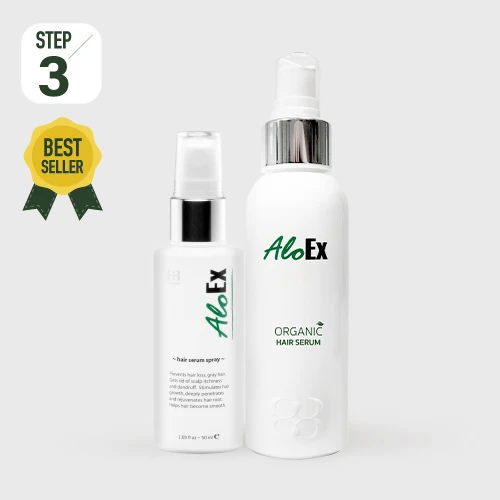
Use serum to nourish hair and reduce shedding

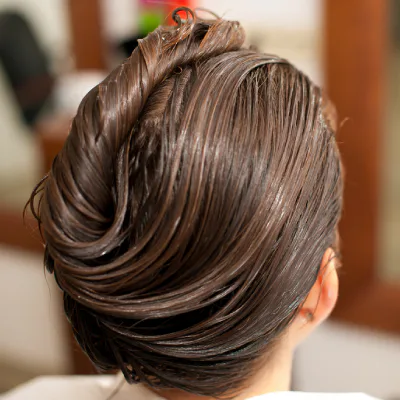
7. Do a hair mask & treatment once a week

Mask or treatment your hair once a week

For those who swim frequently, a hair mask or treatment is an indispensable nourishing step. It revives hair that has been damaged by chlorine, bringing it back to softness and smoothness — like giving your hair a second life. Hair masks and treatments are easy to do at home, or you can go to a salon. If you do it yourself, just buy a hair mask cream and apply it once a week. That alone can noticeably improve the health of your hair. ^ ^

8. Choose to eat "hair food"

Eat 'hair foods'

In addition to external protection, nourishing from within is also important — especially by eating foods that are good for hair health, such as foods rich in protein, Vitamin A, Vitamin B, Vitamin C, iron, and iodine. Examples include beef, eggs, carrots, green leafy vegetables, salmon, prunes, green peas, bell peppers, and shrimp, to help keep your hair strong and healthy for the long term.

How do you like these simple hair care tips? With just these steps, you no longer need to worry about hair fall from chlorine. Simply care for and nourish your hair the right way. If you can follow all 8 of these tips, we promise — no matter how often you swim, your hair will still look beautiful and healthy, not brittle or prone to breakage!

Share this article

You can place an order online at

Related Articles