


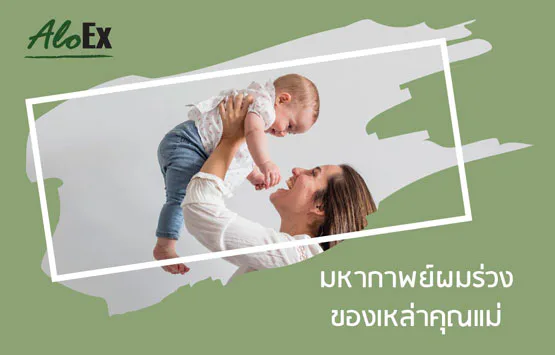
As a young woman who colours and styles her hair a lot, hair fall is no surprise. But did you know that once you become a mother, hair fall problems continue? Let's look at when and why it happens.
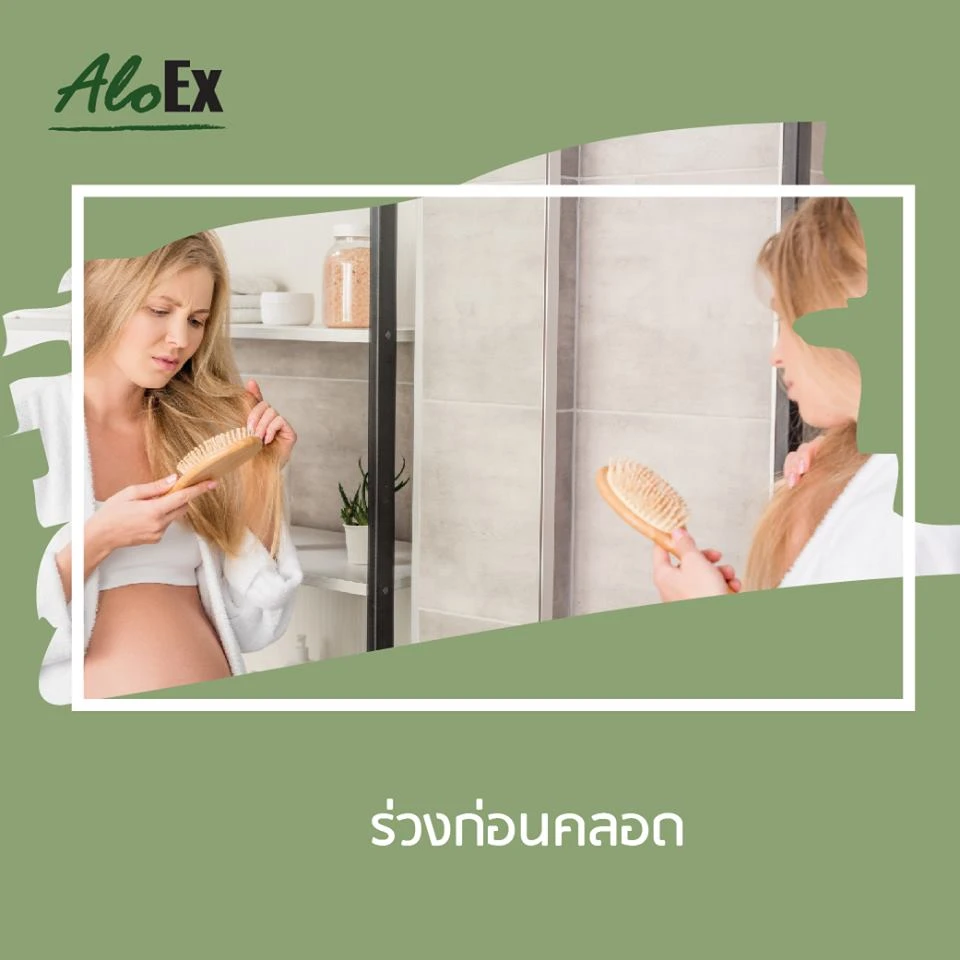
Hair fall during pregnancy
In reality, hair fall during pregnancy is not a problem for every mother. In fact, during pregnancy high oestrogen levels can actually make hair look fuller and darker than before. However, hormonal changes can cause the hair to become oily or dry, making hair care during pregnancy quite challenging. Some mothers also experience increased sensitivity during pregnancy, which can lead to hair breakage and fall. Another cause of hair fall during pregnancy is insufficient iron intake, which means the body cannot adequately nourish hair — leaving it weakened.
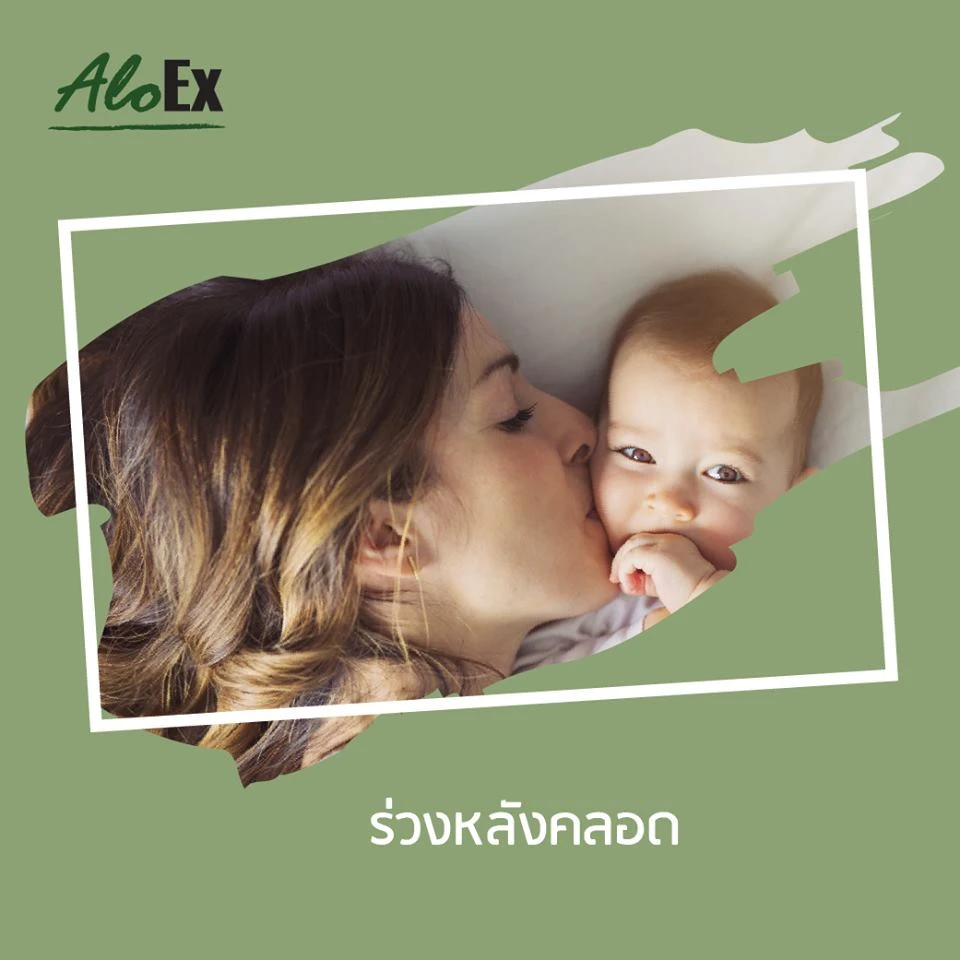
Hair fall during pregnancy
Post-birth hair fall happens to every mother, because oestrogen drops rapidly after delivery, causing heavy hair shedding. The hair that falls out is the hair that should have shed during pregnancy but was held in place by high hormone levels. Once the baby is born and hormones drop, all that retained hair sheds at once. This heavy shedding lasts for a period before returning to normal. Although it is natural, the amount of hair that falls out can truly be alarming.
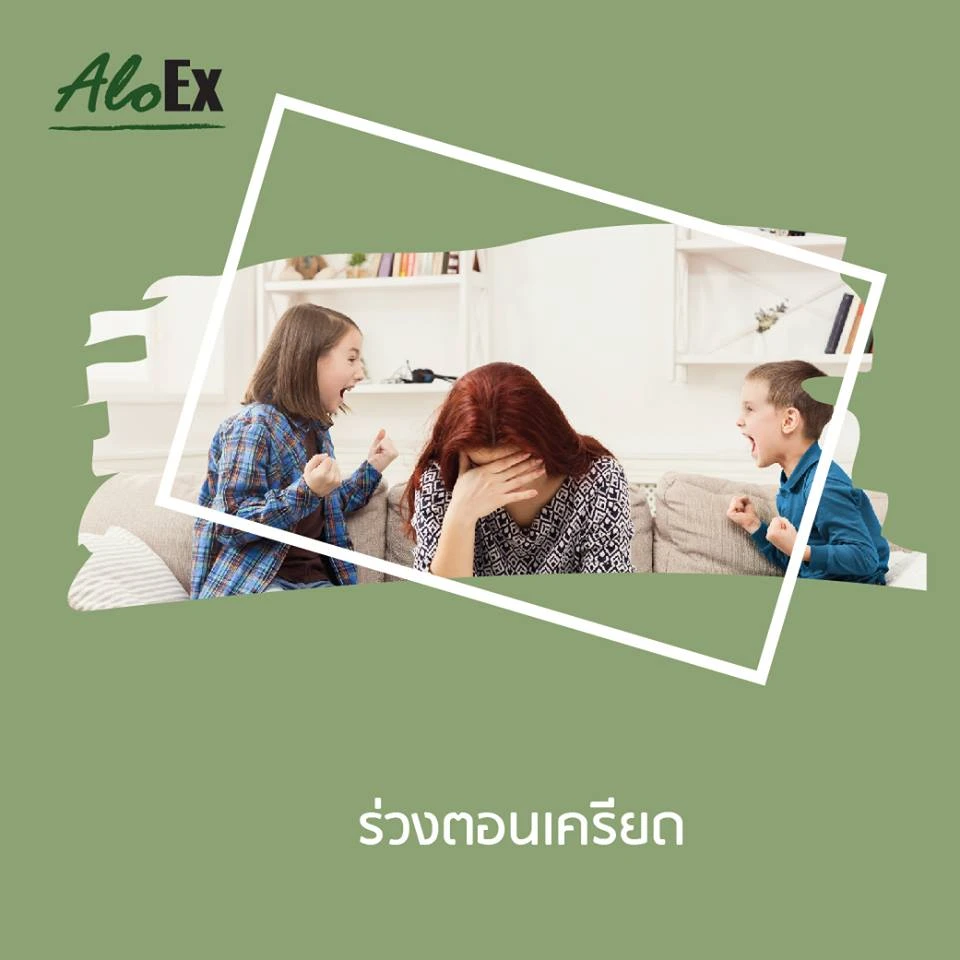
Stress is another cause of hair fall. The stressors that many mothers face are varied — financial and household worries, concerns about the children, the husband, and their own wellbeing. Sometimes you don't want to be stressed, but you just can't help it. As stress builds, hair starts to fall more heavily, because stress weakens the immune system, disrupts hormones, causes some hair follicles to go dormant and shed, and some people even pull their hair when stressed — causing even more fall.
Stress-related hair loss

Age-related hair loss
As we age into middle age and beyond, hormone production in the body decreases, and various organs start to weaken — hair and scalp are no exception. As we get older, scalp follicles deteriorate, weaken, thin, and decrease in number. Hair is no longer as beautiful and healthy as it once was, becoming dry and rough, leading to hair fall. Combined with an overall weakened physical state, and in some cases underlying health conditions, this can further affect the hair and scalp.
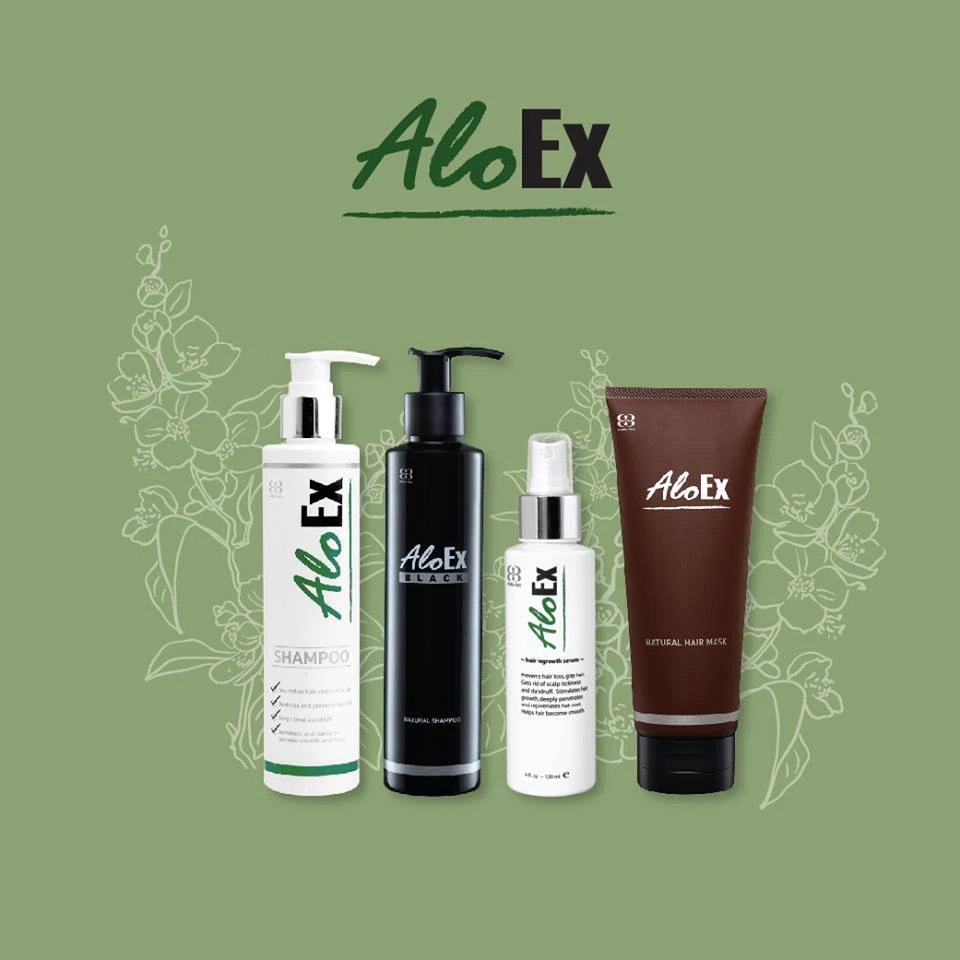
Nourish the hair roots to strengthen them.
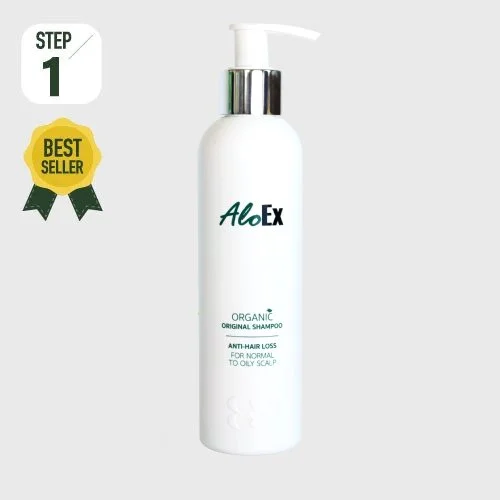
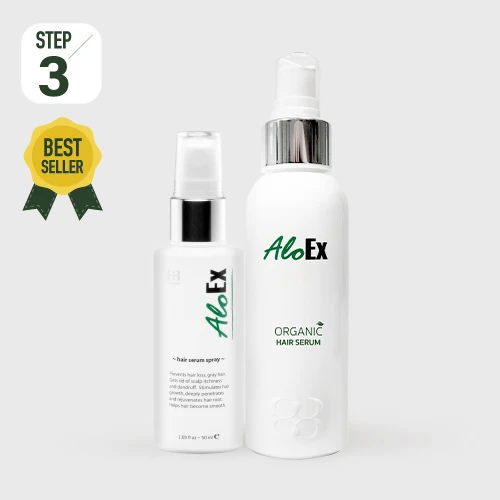
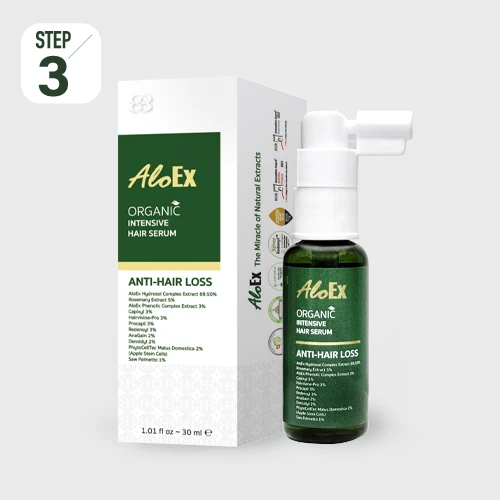
As you can see, hair fall problems for mothers can occur at many different stages — and there may be even more than those mentioned. But even as a mother, you can't stop taking care of yourself! You need to nurture and maintain your hair so it stays with you for the long term. Simple ways to do this include eating a nutritious diet, avoiding hair-damaging behaviours, minimising chemical use on hair and scalp, and choosing natural products such as AloEx, which helps nourish hair roots to keep them healthy and strong. Naturally extracted, free from harsh chemicals, suitable for all ages and genders — even safe to use during pregnancy.