




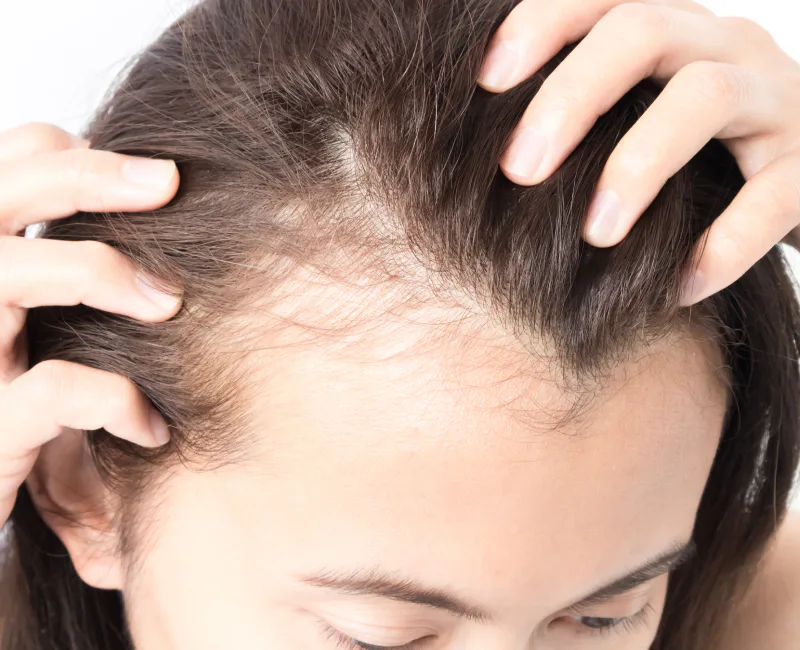
Anyone who frequently ties their hair up may experience problems with hair bands pulling and snagging hair until bald patches and thinning appear — sometimes from the hairline all the way to the crown, with hair falling out in clumps or patches. Or if you frequently colour your hair, chemicals can weaken the strands and roots, causing hair to fall out in handfuls and seriously knock your confidence. Read on to find out how to deal with thinning, hair loss, and bald spots!
1. Eat a balanced, nutritious diet across all 5 food groups.

It may sound boring and basic, but eating a balanced diet — especially one that is high in protein — really does help strengthen hair from within. Protein-rich foods such as fish, soya beans, or tofu are ideal, because protein is a key component of hair structure. In general, we should obtain about 20–30% of our daily nutrients from protein. And don't forget to drink plenty of water, avoid MSG-laden food, and cut out alcohol and cigarettes — your hair will certainly come back fuller, not thinner or sparse.
2. Exercise regularly.

Exercise helps stimulate blood circulation throughout the body, allowing blood to flow more effectively to the scalp and hair roots, carrying vitamins and nutrients to nourish the roots thoroughly. Hair therefore becomes stronger, roots grip better, and shedding is reduced. Most importantly, try to avoid stress and keep your mind relaxed to help balance hormones in the body — this also helps reduce hair loss.
3. Shampoo the right way.
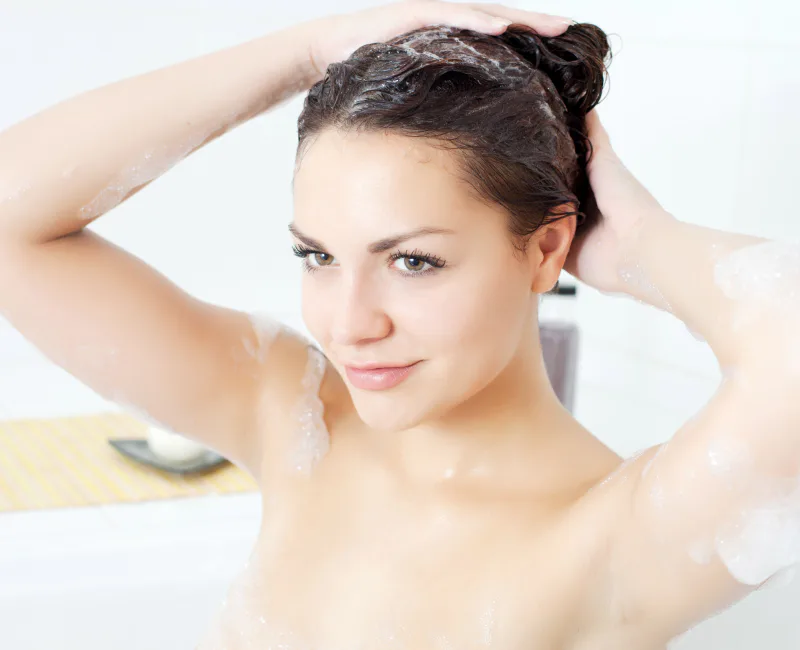
Anyone who likes to scrub or scratch the scalp hard while shampooing should change this habit immediately, as it damages the scalp and can cause the hair roots to be pulled out, potentially leading to progressive hair loss and thinning. It is best to massage the scalp instead — gently using the fingertips in small circular motions. This not only protects the hair and scalp but also stimulates blood circulation to nourish the hair roots more effectively.
4. Use heat on your hair in moderation.
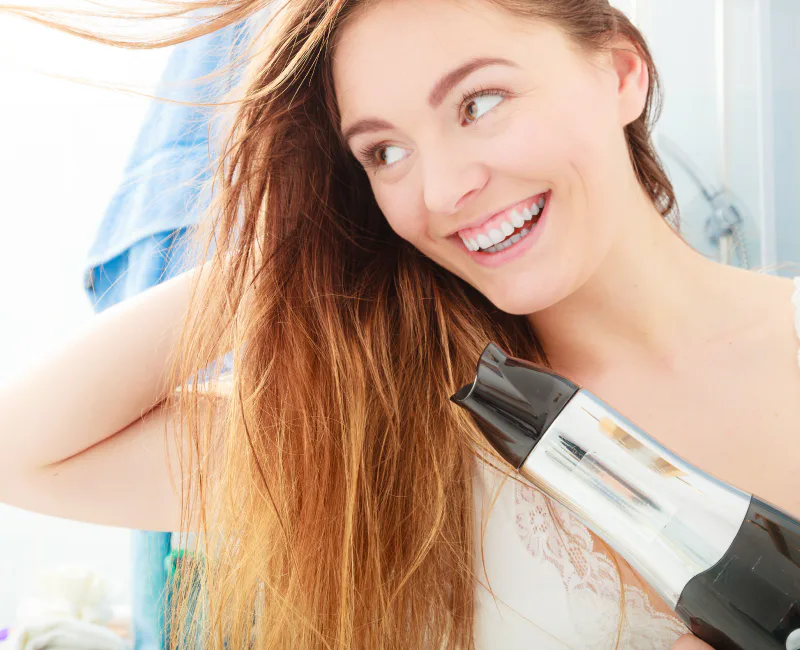
Whether blow-drying, straightening, or curling your hair, if possible you should avoid using heat styling tools. If it is truly unavoidable, limit the temperature to avoid extremes or use a cool setting instead. And don't forget to apply a heat-protection conditioner before straightening or blow-drying — this is enough to help prevent damage to your hair and scalp.
5. Tying your hair the right way also prevents hair damage.
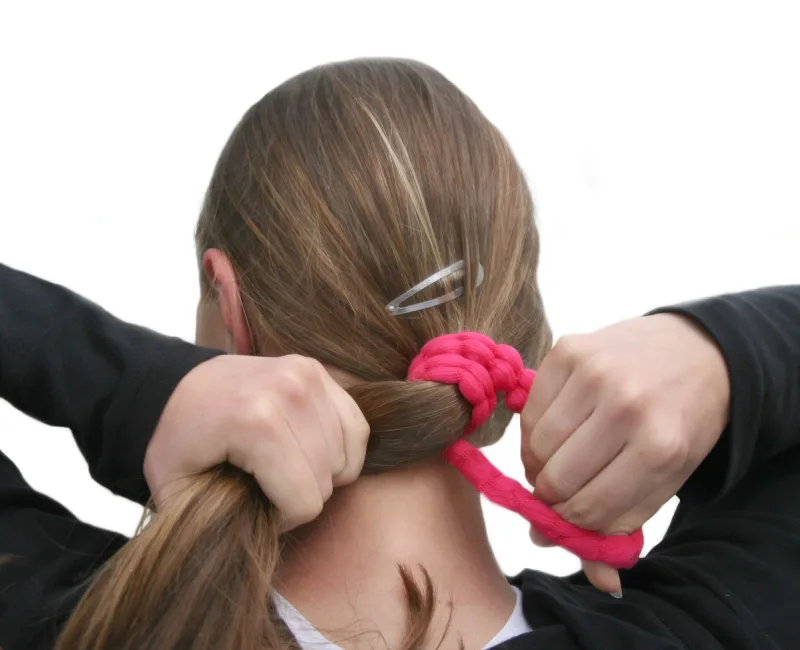
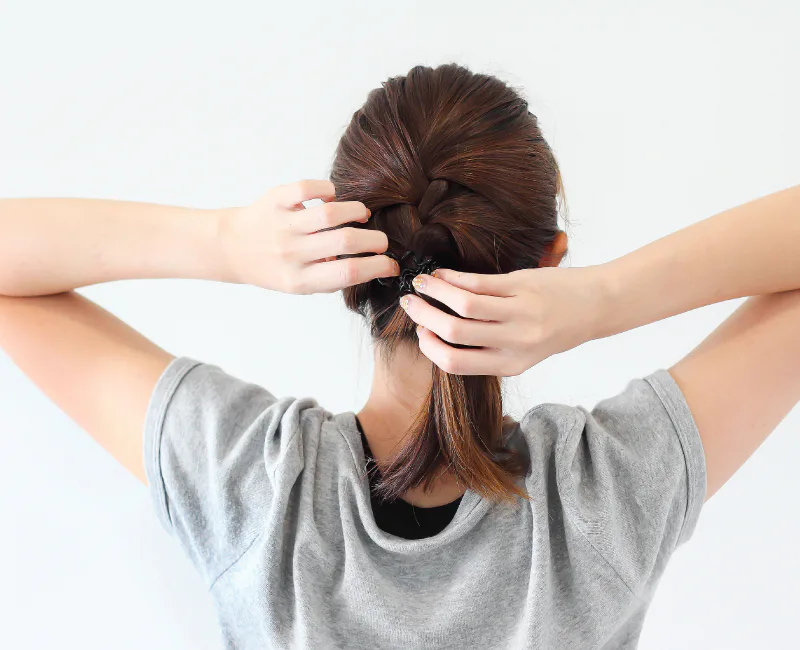
If we need to tie our hair, try to avoid the following tying methods to reduce hair damage and shedding.
- Tying too tightly → damages hair follicles and can cause hair fall.
- Tying hair while sleeping → the hair band pulls on strands, pressing and tugging while you sleep, causing hair to be pulled out.
- Tying hair in the same spot every day → hair is repeatedly pulled at the same point, weakening the roots, causing hair to fall out easily and leading to patch thinning.
- Tying hair when wet → when hair is wet, the roots are weaker than normal, making it easier for hair to fall out when tied.
- Using a hair band with metal parts → the metal component may scratch and damage the scalp.
6. Choose hair cleansing products that help reduce hair fall and are free of harsh chemicals.
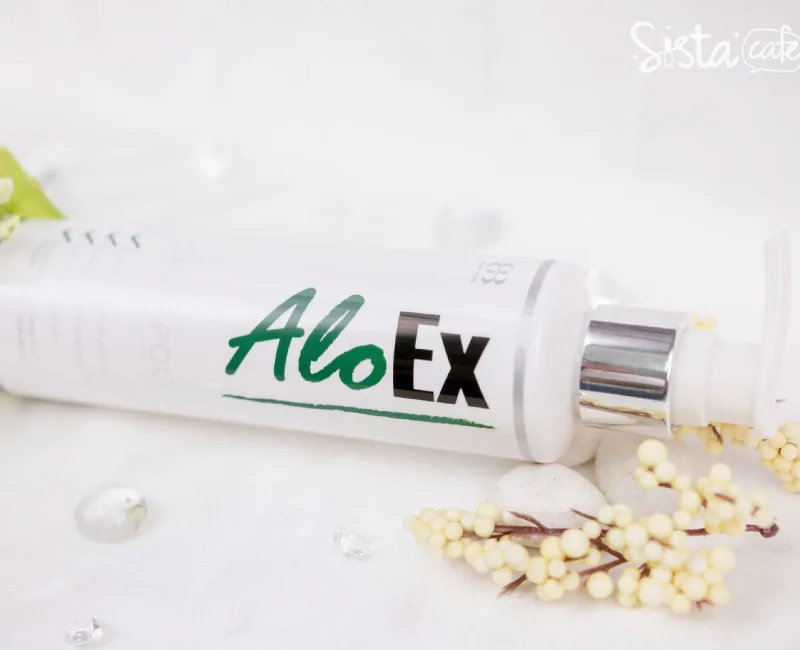
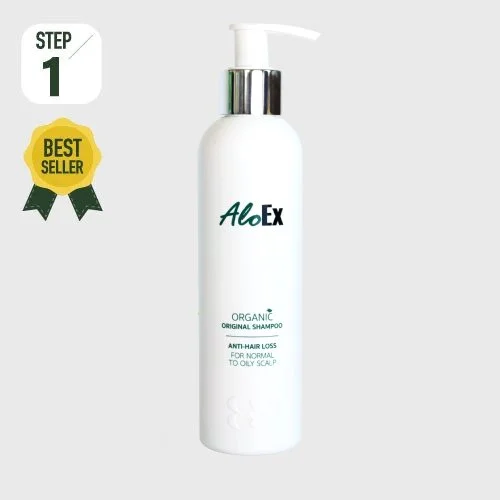
Try switching to an organic shampoo that is friendly to hair and scalp because it is free of chemicals harmful to the skin — such as AloEx shampoo, suitable for people with hair and scalp problems whether from chemical damage, a widening parting from tying and binding hair, or hereditary hair thinning. Not only does it help reduce hair fall, it can also stimulate hair roots to produce hair faster and stronger. AloEx is gentle on all hair and scalp types with 100% naturally derived extracts, giving you confidence that it is safe and suitable for all genders and ages.
7. Nourish with a serum that deeply restores and cares for hair and scalp.
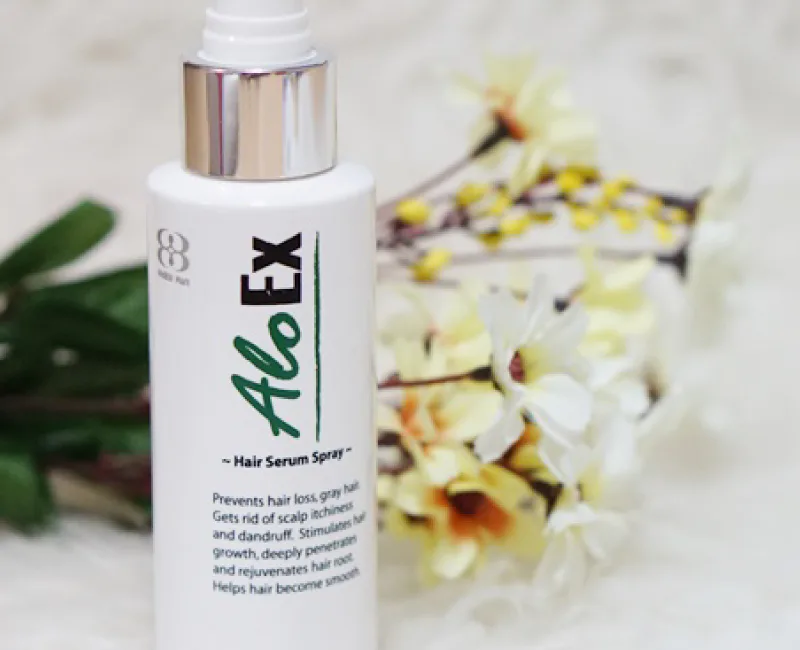
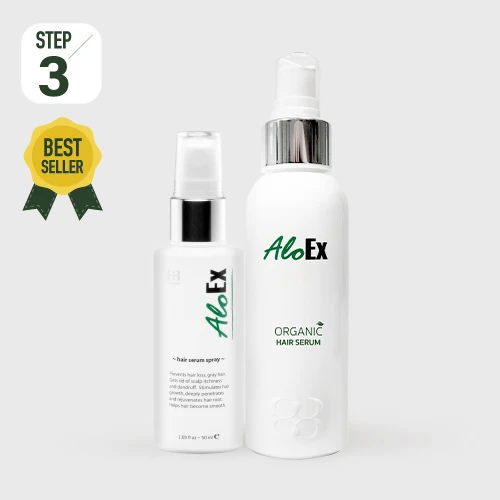
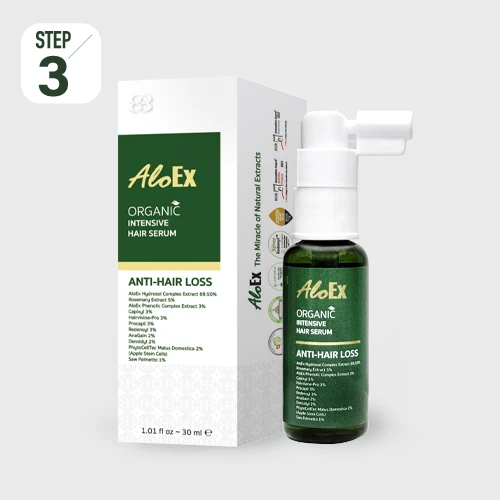
Caring for your hair and scalp is just like caring for your facial skin. After washing your hair, you should add extra nourishment as well. And if that nourishment is gentle and free of chemicals, your hair will grow longer, look thicker and healthier, and won't shed as easily. AloEx Serum is another hair health product, free of chemicals, researched by scientists, making it rich in various herbal extracts to effectively address and restore hair and scalp problems, such as…
- Adding protein and amino acids (amino acid) from seed, bulb, and ginseng extracts to hair roots and strands.
- Adding moisture and boosting the density of hair roots with extracts from various aloe vera plants.
- Reducing itching, oiliness, and skin inflammation with concentrated curcumin extract from turmeric.
- Stimulating blood circulation to better deliver protein and nutrients to nourish the hair roots.
- Gentle and safe, suitable for sensitive and easily irritated scalps.
So, what do you think of the hair care and protection tips we have shared? If anyone is currently struggling with bald patches, hair loss, thinning hair, or wants to prevent further thinning before it leads to a completely bald scalp — don't wait, go ahead and try these tips now!
Thank you for the good information from Sistacafe.com