




In addition to hair loss, oily hair is another troublesome problem. Oily hair flattens and weighs hair down, makes it difficult to style, covers the scalp in dandruff, and is twice as likely to cause hair thinning compared to normal hair. Walking around with a shiny, greasy head is embarrassing — and for some people the oiliness is so bad that their hair becomes greasy again right after washing, leading to frequent shampooing. But does frequent shampooing really help reduce oily hair? Let's find out.
What causes oily hair?
The main cause of oily hair is the sebaceous glands on the scalp producing too much sebum, which may result from hormonal changes, diet, and environmental factors. Oily hair is actually a problem that can affect all genders and ages. People who have oily hair tend to also have hair loss alongside it, because the two come as a pair — so you have to address both the oiliness and the shedding. Quite a headache!

With oiliness this bad, does frequent shampooing really help?
Normally, we tend to shampoo frequently when our hair is oily, because when hair becomes oily it looks like it hasn't been washed for days and really hurts your image — so we end up washing it all the time, until it becomes a habit. Some people even wash their hair morning and evening.
For those with oily hair who are washing too frequently, I have to say that is really not a good idea. Because washing too frequently can dry out the scalp, and when the scalp becomes very dry, the sebaceous glands produce even more sebum — so the oiliness doesn't go away at all; it may even come back worse.
No matter how oily your hair is, you can manage it — just care for it the right way.
Well! Hair this oily — and you're not supposed to wash it frequently — so what are you supposed to do? ...There really are ways to care for oily hair, and they're approaches you can use in your daily life. We have up to 7 main methods to share. If you can do all of them together, rest assured that the oily hair problem will no longer bother you. Let's see what methods there are??
1. Don't shampoo too frequently or too infrequently.
The key element is the shampoo itself. For those with oily hair, shampooing too frequently is absolutely off-limits — as mentioned earlier, the more frequently you shampoo, the drier the scalp becomes and the more sebum the glands produce. But some people go to the other extreme and shampoo too infrequently, leaving hair dirty, with sebum clogging up over time and eventually causing hair thinning.
Therefore, I recommend shampooing in moderation — every other day is fine. If you feel sticky on a non-wash day, use dry shampoo instead.
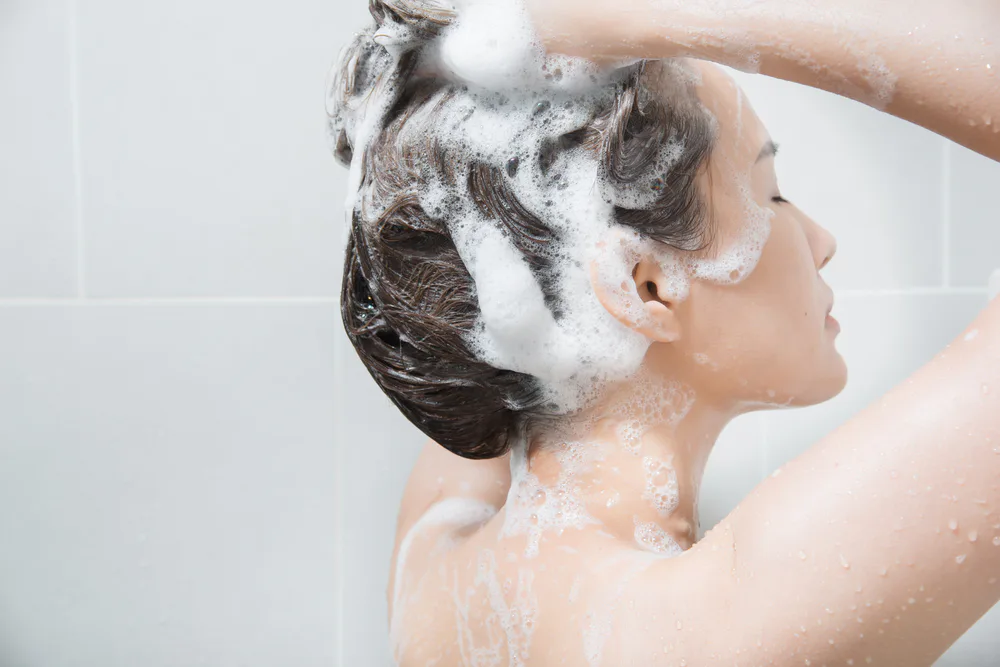
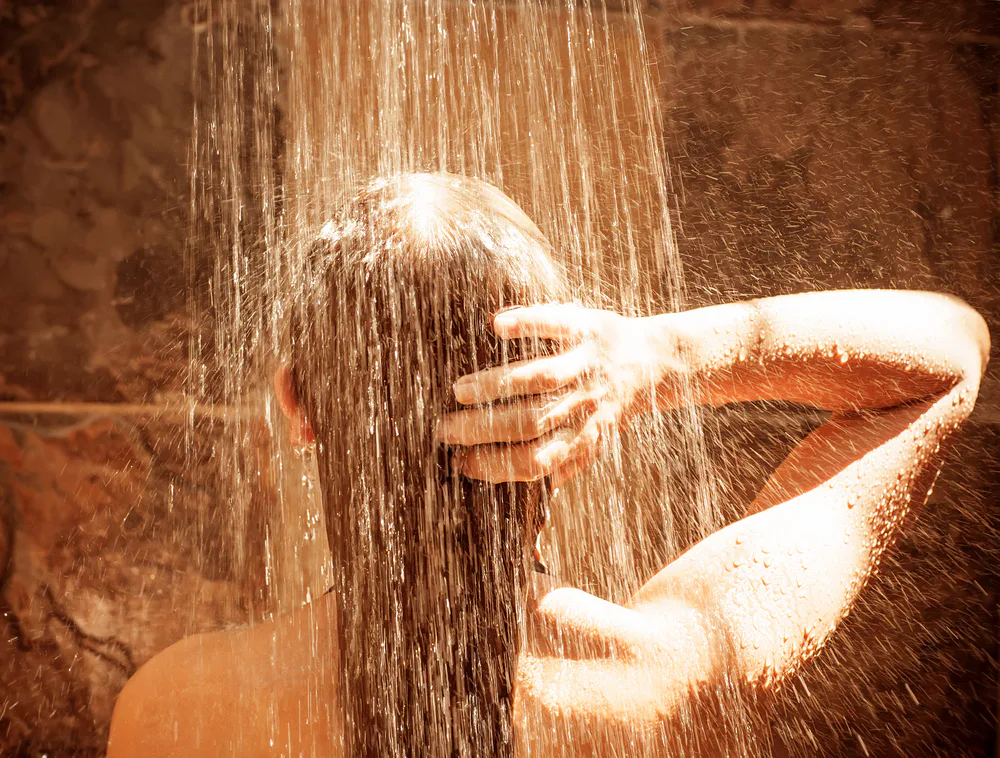
2. Shampoo with comfortably warm water or water at normal temperature.
In addition to the frequency of shampooing, the temperature of the water used is also important. If we use hot water to shampoo, it will dry out the hair and stimulate the sebaceous glands to produce even more sebum. Therefore, using comfortably warm water or water at normal temperature for shampooing is best for oily hair.
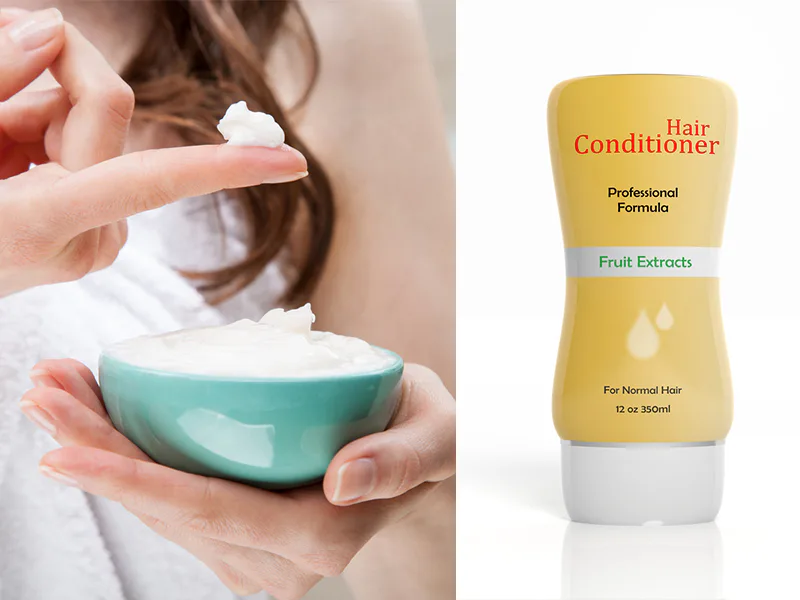
3. Avoid using conditioner.
For those with oily hair, I'd recommend putting the conditioner away. Even though conditioner helps make hair soft, moisturised, and shiny, do you know that the sebum the glands produce is meant to do exactly those same things? It's just that it's produced in excess, making hair appear greasy. So if you use conditioner on top of that, you're just adding more oil to your hair. But for those who really can't go without conditioner and feel bare without it — if you must use it, I'd recommend applying it only on the ends of the hair and not the mid-scalp area, as that really is not good at all. Just the ends is enough.
4. Avoid brushing your hair too frequently.
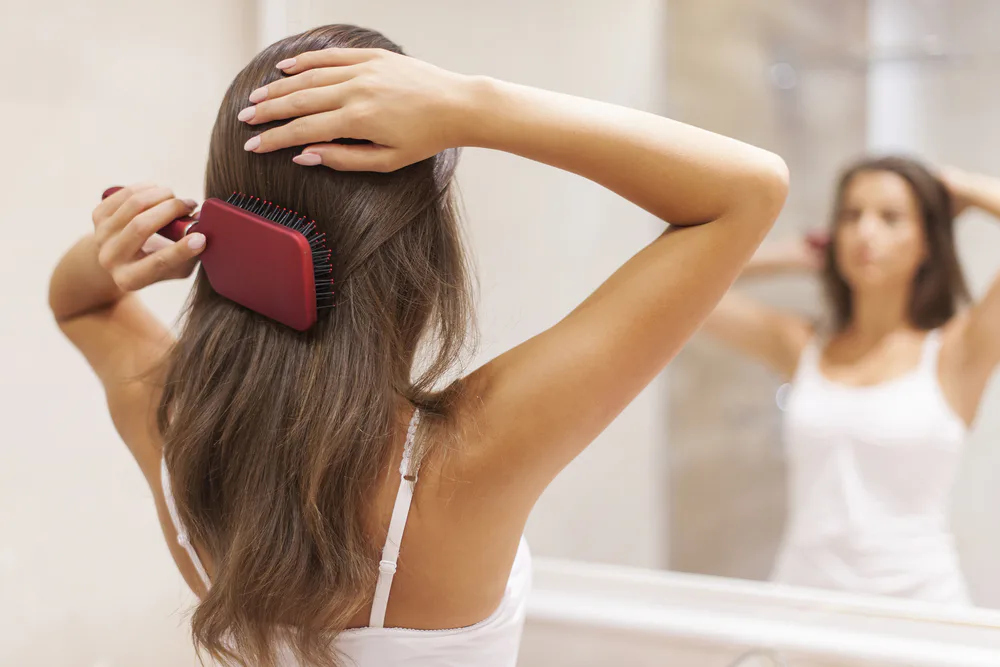
As women with long hair, we need to comb it frequently so it doesn't tangle and stays smooth and well-styled wherever we go. Some people even carry a comb in their bag. Combing is not forbidden, but for those with oily hair, combing too frequently is something you really should not do — because combing stimulates the sebaceous glands to produce more oil. On top of already oily hair, it just gets oilier. Comb in moderation — if you want your hair to stay flat and styled throughout the day, use your fingers to smooth it instead.
5. Choose a shampoo that is gentle on the scalp and hair.
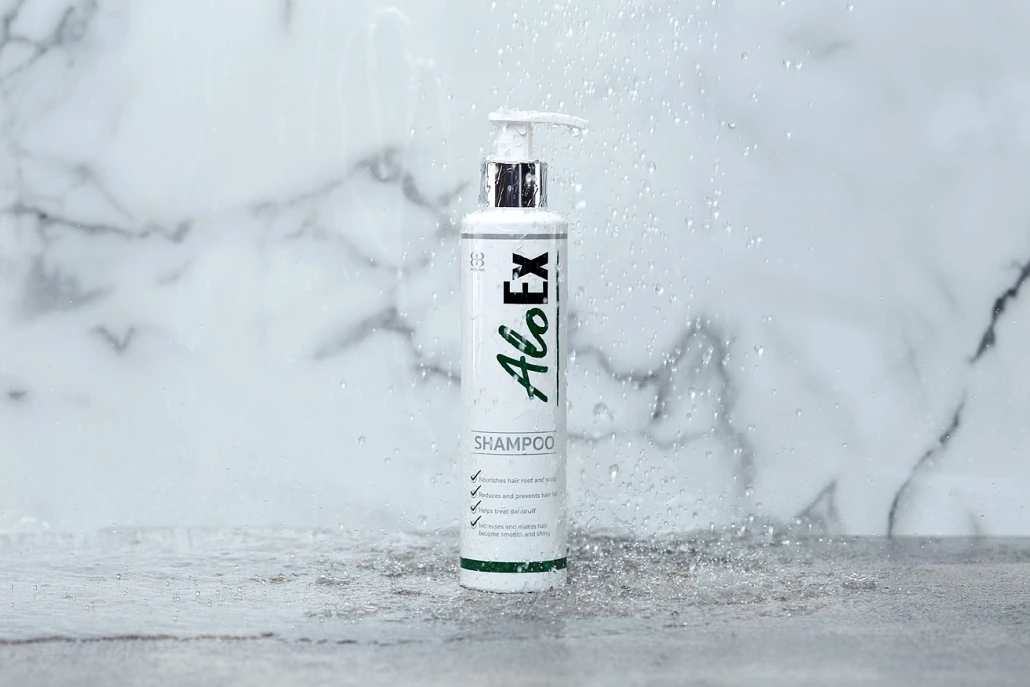
Shampooing with a shampoo that has a mildly acidic pH of around 5.5–6.5 will help reduce scalp oiliness. Or you can choose a shampoo specifically formulated for oily hair — but shampoos formulated for oily hair often contain a relatively large amount of detergent agents, which may irritate the scalp. Therefore, when shampooing, it is best to avoid getting it directly on the scalp.
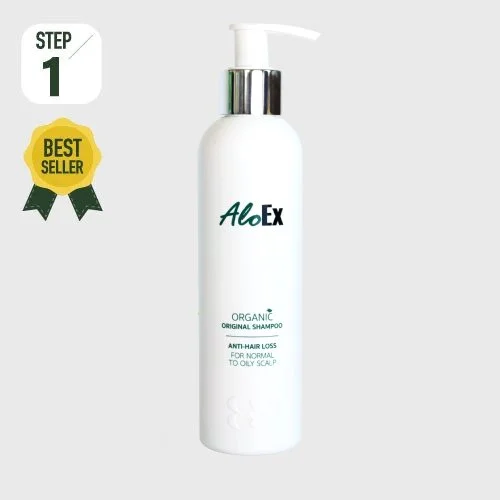
But as for AloEx Original Shampoo, rest assured — not only does it effectively remove oiliness, it also contains no detergent agents or SLS to worry about. No matter how sensitive your skin, you can feel confident. It also contains no Silicone, Paraben, Alcohol, or Fragrance.
6. Apply a natural hair mask.
I don't recommend using conditioner, but I'm not forbidding hair masks. Oily hair is oily — but you can still do a hair mask as normal, just use a natural-formula hair mask that helps address oily hair, to reduce oiliness and nourish the hair to be stronger. The two hair mask formulas for reducing oily hair that we'd like to share are as follows:
• Lemon + Egg White
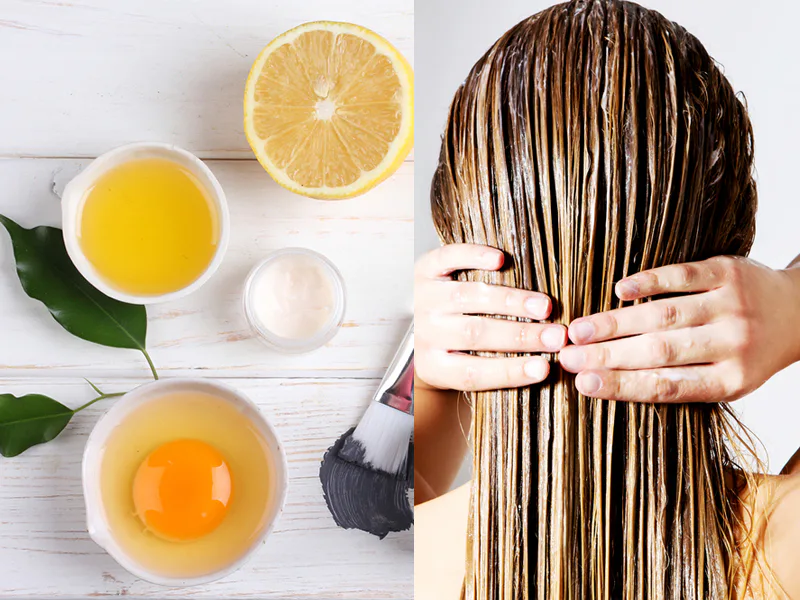
Ingredients: 1 lemon and 2 chicken eggs
For this formula, mix the lemon juice and egg white together until blended. Then apply it to the hair and scalp all over, massaging gently. Leave it for 20–30 minutes, then rinse with clean water. You only need to do this formula once a week — and it will already help address many hair problems.
• Lemon + Aloe Vera
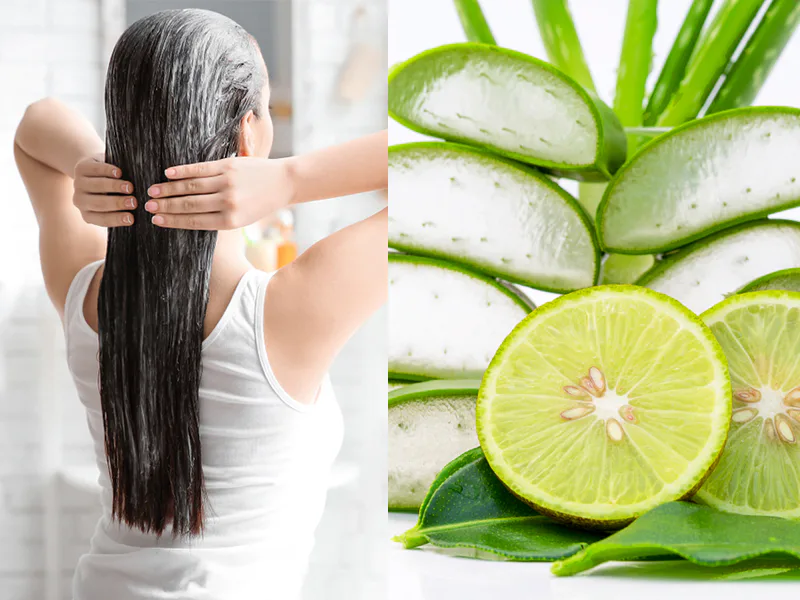
For this formula, mix the lemon juice with the aloe vera gel until blended. Apply it all over the hair and scalp, leave it for 10–15 minutes, then rinse off. After that, shampoo normally. In the beginning, I recommend doing this twice a week. Once the oiliness starts to subside, you can reduce it to once a week.
7. Take care of your body and mind consistently.
Taking care of both physical and mental health is extremely important — especially the food we eat and our lifestyle every day. For those who like fried food or junk food loaded with fat, try switching to food with less oil, and eat food rich in Vitamin B and minerals to help balance the body and prevent it from producing too much sebum. Most importantly, relax — don't stress too much, because the more stressed you are, the more it stimulates sebum production.
So ladies, try to relax and not stress too much. In addition, regular exercise also helps with relaxation — practising yoga, for example, is a great option.

Oily hair is a problem that you really shouldn't overlook — because not only does it ruin your image and knock your confidence, but oily hair can also lead to thinning hair and dandruff on top of that. For those who are washing their hair very frequently, I recommend cutting back — and following these tips. Rest assured that no matter how oily your hair is, it's manageable!!
For anyone interested in AloEx Original Shampoo, you can go ahead and order at